Memoirs — six decades in twelve chapters
This English version is a draft. The German version is the full source text; this page keeps the English route useful until the long translation is finished.
Chapter 1: Schleswig, 1966
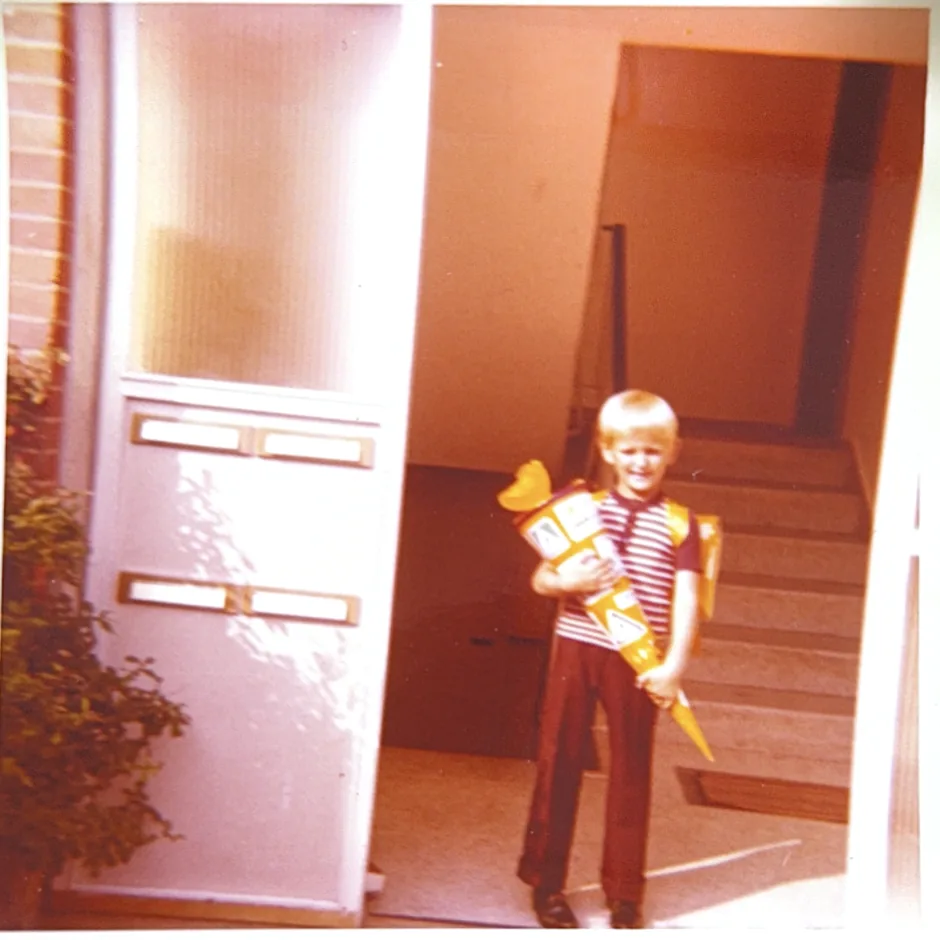
I was born in Schleswig in 1966, the sixth of ten children in a working-class family. Attention, clothes, books, and quiet were scarce. When I wanted something, I had to get it myself.
That started early. At four or five, I walked two or three kilometers to the library alone. Today that sounds impossible. Back then it was simply Thursday. I do not remember the first books, but I remember the feeling: the books belonged to no one who could forbid them. They were there. I only had to go.
Chapter 2: Bruno-Lorenzen School
In school I was good at math and difficult in class. Today I know that ADHD was part of it. Back then no one in my world had that word. It was just: the boy is exhausting.
In ninth or tenth grade my math teacher told me about computer science. Computers. Programs. Machines that do exactly what you tell them to do, and only that. I had never seen a computer, but something lit up. Within months I went from mediocre to the top of the class.
Chapter 3: Graduation and Army
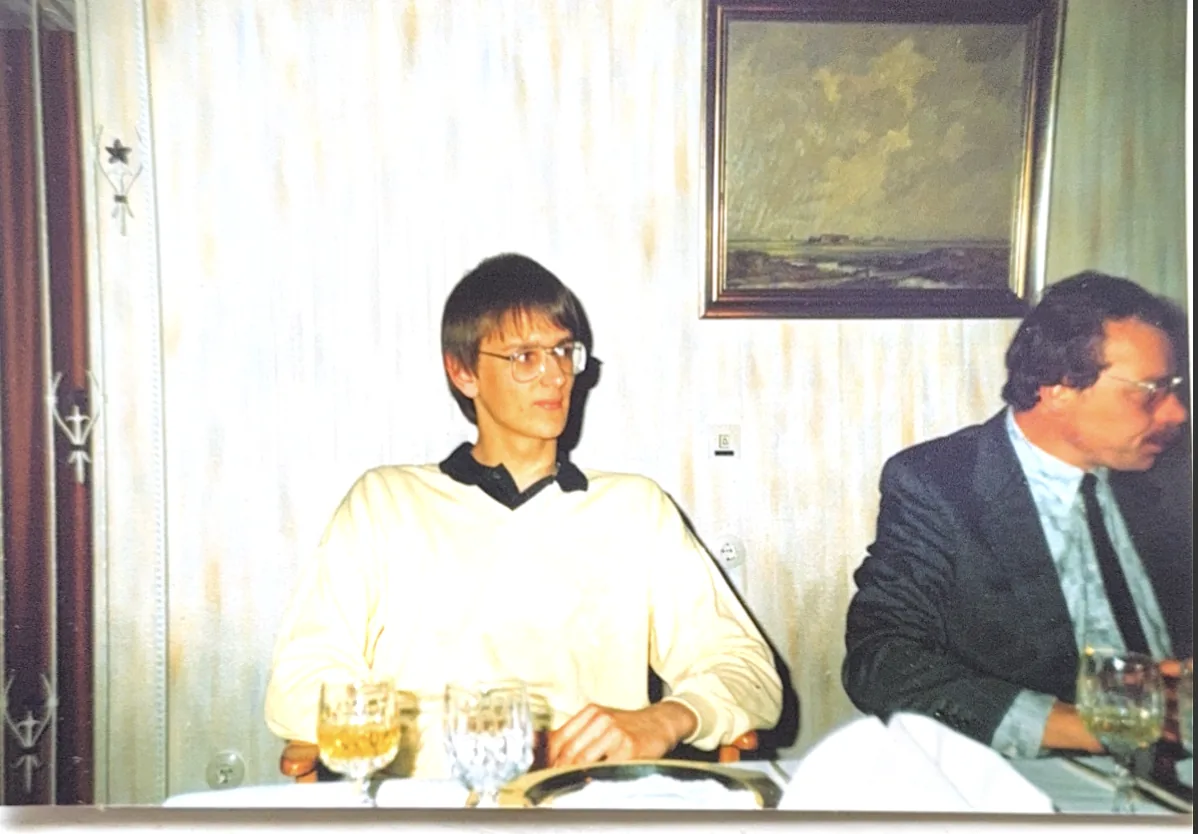
I went to the technical gymnasium in Schleswig, got my Abitur, and then served fifteen months in the army. Looking back, it was mostly wasted time. Maybe it gave me discipline. Mostly it taught me that structured boredom does not make anyone smarter.
Chapter 4: Kiel and the Notice Board
I studied computer science at the University of Kiel. The university was more theoretical than I wanted. I needed money, found a notice from a small software company called North Data, and applied.
I was the only applicant. The notice had been up for three months. That was the start. Mainframes first, Unix later, real work, real problems. I solved tasks quickly and earned more. In the early 1990s I sometimes made between 10,000 and 20,000 Deutsche Mark per month as a student.
Chapter 5: Düsseldorf
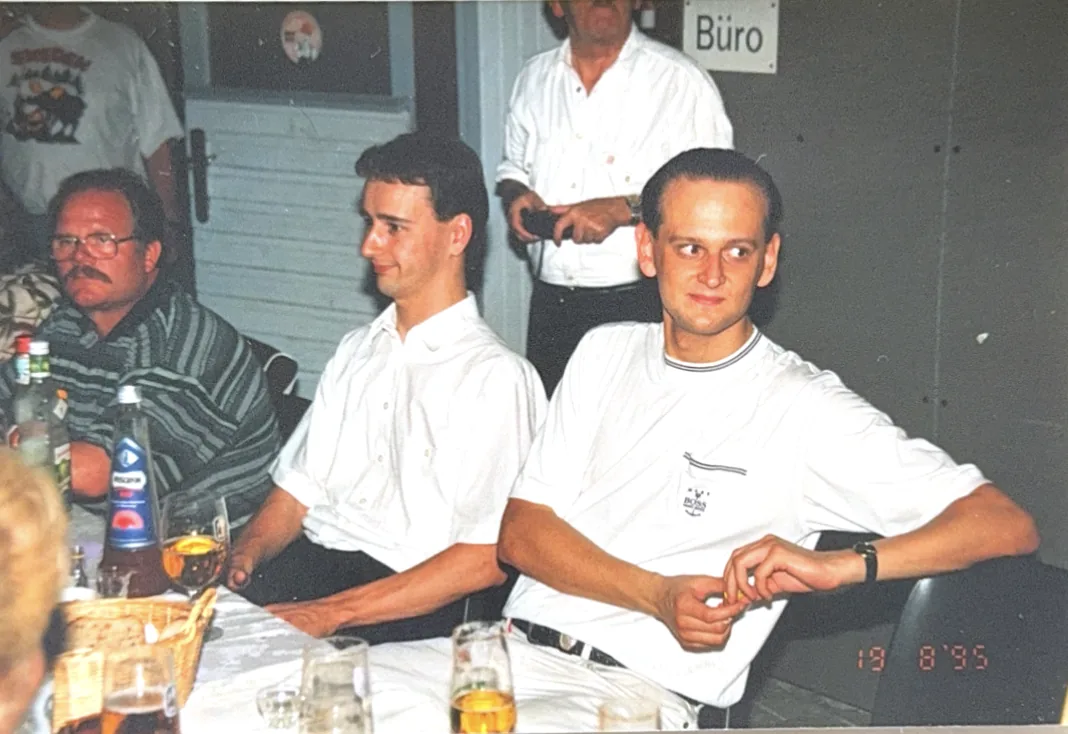
After my diploma in 1996 I moved to Düsseldorf for WestLB. Secure job, decent salary, bank IT. I lasted three years. It was boring and perspective-poor. Düsseldorf was not my city. I needed the north back.
Chapter 6: Hamburg and the Senator Card
PwC brought me to Hamburg. International projects followed. By 27 I had the Lufthansa Senator card. Business class, taxis, five-star hotels, continents. It was intense and useful. I was not a tourist; I was a consultant.
Chapter 7: Zurich and Vista
After IBM acquired PwC Consulting, I became a system software architect inside IBM. In 2009 a five-year project in Zurich began: Vista. Switzerland gave me structure, and in the evenings I studied markets. From 2,000 euros I once grew a portfolio to nearly 200,000 euros over four years. Stocks became my second pillar.
Chapter 8: The Jump, 2015
After more than a decade in PwC and IBM contexts, I quit and became independent. The first major client came through an old IBM contact at Fielmann. One year full time. The jump worked.
Chapter 9: Corona, Money, Saturation
The Corona years were financially absurd. At peaks I earned around 50,000 euros per month. But money did not solve the deeper question. I no longer wanted to trade time for money. I wanted to build things that could outlive a billable day.
Chapter 10: Moinsen
Moinsen was founded in 2021. Malte later moved to New Zealand. Today I run Moinsen solo: SME consulting, AI product building, own products, and the sentence that keeps returning: software is used by humans, not by models.
Chapter 11: Indie Builder
From 2024 onward the pattern became clear. One idea, one repo. Reality check before discussion. 400+ repositories are not a trophy; they are sediment. Some ideas die. Some sharpen. A few become products.
Chapter 12: The Late Diagnosis
At 59 the ADHD diagnosis arrived late and still explained a lot: the speed, the restlessness, the ability to switch context, the inability to sit still in bad systems. It did not excuse everything. It named something that had been there all along.
Interlude: Motorcycles
Motorcycles are not decoration in my life. They are identity. I started late, then rode hard. In 2013 I spent three months across Europe, 17,000 kilometers. The current dream is Japan by motorcycle.
Interlude: North, Books, Values
Northern Germany shaped the voice: clear, direct, no theatre. Books shaped the method. Family shaped loyalty. Work shaped discipline. The values are simple: a man of his word. I do not lie, too complicated. Software is used by humans, not by models.
Epilogue: A New Idea While Writing
While writing these memoirs with AI support, a new product idea appeared: Logbuch & Lotse. A patient app that asks the right questions, uses photo libraries as memory anchors, and helps other people tell their life stories. The logbook records. The pilot navigates.